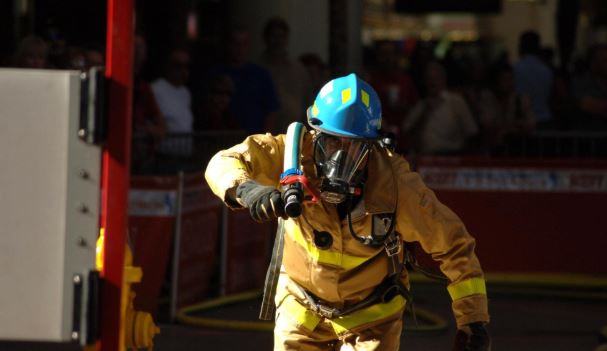
Fire doesn’t wait for convenience and neither should your prevention strategy. Whether it’s a construction site with active hot work, a high-rise with a failed sprinkler system, or a warehouse packed with combustible inventory, the gap between risk and disaster is often measured in minutes. That’s where professional fire watch services become indispensable.
Municipal buildings undergoing remodeling consult Fire Watch Companies Near Me for quick response services, ensuring that even temporary vulnerabilities are addressed before they escalate into serious hazards.
But not all providers operate at the same level. Choosing the right fire watch company isn’t just about coverage it’s about compliance, responsiveness, and risk intelligence.
Let’s break down what separates top-tier fire watch companies from the rest and how to evaluate them when your safety is on the line.
At its core, a fire watch is a temporary safety measure designed to detect and respond to fire hazards when standard protection systems are compromised or insufficient.
This could mean:
Organizations like OSHA and NFPA emphasize fire watch as a critical layer of protection not a substitute for permanent systems, but a safeguard during vulnerability windows.
There’s a common misconception that fire watch services are optional or only needed in extreme situations. In reality, many jurisdictions and fire marshals require them under clearly defined conditions.
Failing to deploy an emergency fire watch in these cases isn’t just risky it can lead to fines, shutdowns, or legal liability.
Not all fire watch services deliver the same level of protection. The best providers go beyond basic patrols and checklists.
Elite companies implement structured patrol routes combined with continuous hazard assessment. Guards are trained to identify:
This proactive approach reduces reliance on reaction alone.
A qualified fire watch guard isn’t just a security presence. Top providers ensure their teams are trained in:
Many also require certifications aligned with NFPA standards.
Fire safety compliance isn’t optional it’s audited.
Leading companies maintain:
These documents are often required by fire marshals and insurance providers.
Speed matters. The best fire watch companies establish clear escalation procedures:
In high-risk environments, seconds can determine outcomes.
Consider a mid-rise construction project where the temporary fire alarm system fails overnight. Work continues the next day without implementing a fire watch.
During welding operations, sparks ignite insulation material behind a wall. Without active monitoring, the fire spreads undetected for 20 minutes long enough to cause structural damage and halt the project.
Now contrast that with a site using professional fire watch services:
Damage is contained. Work resumes the next day.
That’s the difference between risk exposure and risk management.
Fire watch requirements are enforced by multiple authorities, and overlooking them can lead to serious consequences.
Ignoring these requirements can result in:
Top fire watch companies understand these frameworks and align their operations accordingly.
While any building can require fire watch, certain industries depend on it more frequently due to elevated risk levels.
Constantly changing environments, exposed materials, and hot work make fire risk unpredictable.
Hospitals can’t afford downtime. Fire watch ensures patient safety during system maintenance.
Large inventories of combustible goods increase fire load significantly.
High occupancy buildings must maintain compliance even during system outages.
Each of these sectors requires tailored fire prevention plans not generic coverage.
Choosing a provider isn’t about picking the cheapest option it’s about selecting a partner in risk management.
Do they understand fire safety compliance?
Look for alignment with OSHA and NFPA not just general security experience.
How quickly can they deploy?
Emergency fire watch situations require rapid response, often within hours.
What training do their guards have?
Ask about certifications, drills, and real-world experience.
Do they provide documentation?
You’ll need detailed logs for inspections and liability protection.
Can they scale operations?
Large sites or multi-location needs require flexible staffing.
These gaps can turn a compliance measure into a liability.
Fire watch isn’t just about safety it’s also about operational continuity.
A reliable provider helps:
On the flip side, poor fire risk monitoring can result in millions in losses not to mention reputational damage.
Fire watch services should never operate in isolation. The most effective companies integrate into a broader safety strategy.
Top-tier providers don’t just fill gaps they help strengthen the entire system.
Fire watch services are often deployed during moments of vulnerability but those moments are precisely when expertise matters most.
The best fire watch companies don’t just patrol they prevent, document, respond, and ensure compliance across every layer of risk. Whether you're dealing with a temporary system failure or managing a high-risk environment, the right provider becomes a critical part of your fire prevention strategy.